We want to create the biggest online listing collection of Hiking trips around the world!
Please add you short stay hiking trip rentals now.
A good hiking trip offers you the feeling of ultimate freedom. Finding a nice hiking holiday can however be quite some work, so that's why we select the greatest hiking holidays for you!
11 Hiking trips found
North America
Canada
United States of America
South Carolina
List your hiking trip on this page?
Add linkBooking a multi-day hiking trip: from first step to final summit
There is a particular kind of happiness that only comes on the third or fourth day of a long walk. Your legs have settled into a rhythm, the everyday noise in your head has gone quiet, and the only questions that matter are where the path leads next and what will be for dinner. A well-planned hiking trip gives you that feeling without having to worry about the logistics along the way.
The providers on this page organise multi-day walks and treks around the world, from gentle inn-to-inn rambles to demanding high-altitude expeditions. This guide helps you work out which kind of trip suits you, what to prepare, and what to ask before you commit.
Guided or self-guided?
This is the first big decision, and there is no wrong answer. It depends on your experience, your budget and how much company you want.
On a guided trip, you walk with a professional guide and usually a small group. The guide handles navigation, knows the terrain and the weather, shares local knowledge about nature and culture, and deals with problems if they arise. Guided trips make most sense in remote areas, at high altitude, where route-finding is difficult, or when you are travelling solo and would like companions.
On a self-guided trip, the organiser books your accommodation, provides maps, route notes or a navigation app, and often arranges luggage transfers, but you walk on your own schedule. You choose when to start each morning, how long to linger at a viewpoint and who to walk with. It suits confident walkers on well-marked routes, couples, families and friends who like independence.
Ways to walk
Multi-day hiking trips come in many styles. The main ones are:
- Inn-to-inn walks, where you stay each night in a guesthouse, village inn or small hotel, often with dinner included. These are common in rural and cultural landscapes, such as along Japan's Kumano Kodo pilgrimage routes, where you sleep in traditional inns.
- Hut-to-hut treks, where you stay in mountain huts, from simple shelters to staffed refuges serving hot meals. The Alps are famous for this, and New Zealand's Great Walks have a well-developed hut network too.
- Teahouse trekking, a style closely linked to the Himalayas of Nepal, where you stay in simple lodges run by local families along the trail.
- Camping treks, where tents, food and equipment are carried by you, by porters or by pack animals. This opens up wilder regions such as parts of Patagonia, the Andes and the Drakensberg in South Africa.
- Long-distance trail sections, where you walk a part of a famous route like the Appalachian Trail or the Pacific Crest Trail in the United States, with an organiser arranging shuttles, resupply or accommodation.
Let someone else carry the bag
One of the biggest advantages of booking with a provider is luggage transfer. On many inn-to-inn and some hut-to-hut routes, your main bag is driven ahead to the next night's stop, so you walk with only a light daypack holding water, snacks, rain gear and a warm layer. On treks in the Himalayas and the Andes, porters or pack animals often carry the load. Check exactly how much weight is allowed per person and whether any stretches are out of reach for vehicles, as on some remote huts you will still need to carry your own overnight gear.
Be honest about fitness and altitude
Most providers grade their trips, for example from easy to strenuous, but every company uses its own scale. Look past the label and at the actual numbers: daily distance, hours of walking, and how much you climb and descend each day. Steep descents are often harder on the knees than the climbs. Train beforehand by walking on consecutive days with a loaded daypack, ideally on hills.
Altitude deserves special attention. On treks in Nepal, the high Andes, the Inca Trail region of Peru and other mountain areas, the thinner air can cause altitude sickness, regardless of how fit you are. A good itinerary climbs gradually and includes acclimatisation days. Ask how the provider handles symptoms, whether guides are trained in first aid, and what the plan is if someone needs to descend.
Permits, rules and insurance
Some of the world's most popular trails are limited or regulated. The Inca Trail to Machu Picchu requires a permit and must be walked with a licensed operator, many trekking regions in Nepal require permits, and huts on New Zealand's Great Walks must be booked in advance during the main season. Rules change, so let your provider confirm what is needed and whether permits are included in the price.
Travel insurance is essential for any hiking trip. Make sure your policy covers hiking or trekking at the altitude you plan to reach, as well as mountain rescue and medical evacuation, which can be very expensive in remote places.
Boots, blisters and packing
Your feet will carry you every step of the way, so treat them well. Choose footwear suited to the terrain, whether sturdy hiking boots for rocky mountain paths or lighter trail shoes for smooth routes, and break them in properly on several long walks before you go. New boots on day one are the classic recipe for blisters. Wear good hiking socks, and bring blister plasters and treat hot spots as soon as you feel them.
Beyond footwear, pack for changing weather: a waterproof jacket, a warm layer, sun protection, a hat, a refillable water bottle and a small first-aid kit. Trekking poles help a lot on steep descents. Your provider should send a detailed kit list for their route.
Choosing the right season
Timing can make or break a hiking trip. In the Northern Hemisphere mountains, such as the Alps, Scandinavia and the high trails of North America, the main hiking season runs through summer and early autumn, when snow has cleared from the passes. South of the equator, seasons are reversed: the best walking in Patagonia, New Zealand and much of southern Africa falls roughly between the northern autumn and spring. In the Himalayas, the monsoon brings heavy rain and cloud in summer, so the drier periods before and after it are the classic trekking seasons. In the Andes of Peru, the dry season is the preferred time to walk, while the wettest months can close some trails.
Walk lightly
The landscapes that draw us are fragile. Follow the principles of leave no trace: carry out all your rubbish, stay on marked paths to prevent erosion, use toilets where provided, keep your distance from wildlife and never feed it. Respect local customs, especially in villages and at sacred sites, and ask before photographing people. Choosing a provider that employs local guides and treats porters fairly also makes a real difference to the communities along the trail.
Questions to ask before you book
- How many hours and what distance and elevation gain should I expect each day?
- Is the trip guided or self-guided, and how large is the group?
- What type of accommodation is used, and are rooms private or shared?
- Which meals are included, and can special diets be catered for?
- Is luggage transferred between stops, and what is the weight limit?
- Are permits, park fees and transfers included in the price?
- What happens in bad weather or if I cannot complete a day's walk?
- What experience and first-aid training do the guides have, and how are emergencies handled?
- What is the cancellation policy?
Start planning your walk
The hiking trip providers on this page are grouped by continent, country and region, so you can quickly find trips in the landscapes you want to explore. Each link goes to the provider's own website, where you can check availability, compare itineraries and book directly. Do you organise guided or self-guided hiking trips? Add your link for free with the button above and help walkers from around the world find their next adventure.
Looking for an awesome place to spend your holiday?
Or want to advertise your houseboat, lighthouse, treehouse or glamping?
Check these links below!
Blog posts
-
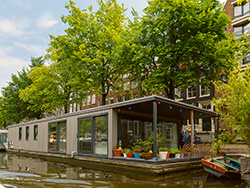
PRO TIP: Rent a houseboat in Amsterdam
A houseboat is a great place to stay when visiting Amsterdam. Stay close to the city center but have a lot of private space.
Read more.. -
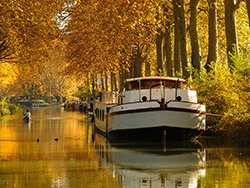
PRO TIP: Book a river cruise in France
River cruises in France are the next luxury holiday destination. Cruise your private barge with cook down the French rivers.
Read more..